Golden Wheat Sheaf: A Designer’s Real-World Embroidery Review
First Impressions: Rustic Charm Meets Timeless Elegance
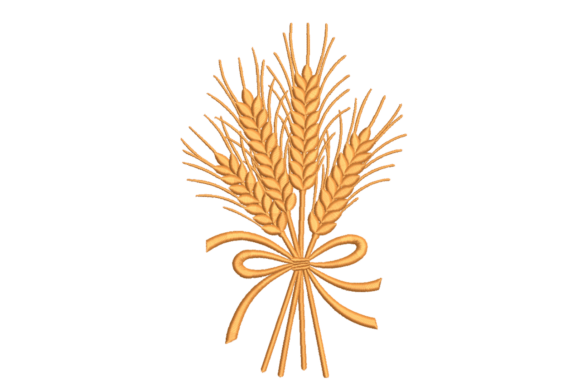
When I first opened the Golden Wheat Sheaf embroidery file, I was struck by its warm, earthy appeal. It’s a design that immediately evokes a sense of harvest, tradition, and grounded simplicity. The layout is balanced—neither too dense nor too sparse—with flowing lines that mimic the natural curve of wheat stalks. It carries a soft, nostalgic mood, perfect for projects that lean into farmhouse aesthetics or artisanal branding.
Real-Life Use: From Sweatshirts to Nursery Decor
I decided to test the Golden Wheat Sheaf on a few different items to get a well-rounded sense of its versatility. First up: a custom embroidered tote bag. The stitch definition held up beautifully on the sturdy cotton canvas, and the golden thread gave the bag a subtle luxury without being over the top. Next, I stitched it onto a sweatshirt for a boutique client. The wheat sheaf looked great on the chest area—its size and shape didn’t overwhelm the garment but still made a clear visual statement.
For a baby gift, I tried it on a receiving blanket. The satin and fill stitches held up well, even after a gentle wash. I was especially impressed with how the lighter thread shades maintained their clarity on the off-white fabric. It added a soft, elegant touch that felt appropriate for a keepsake item. The same design also worked well on a kitchen towel and a linen pillow cover—both staples in a small shop’s seasonal inventory.
Design Performance: Where It Shines and Where to Watch Out
The Golden Wheat Sheaf is a solid machine embroidery design, but like any digital embroidery file, it has its sweet spots and limitations. On structured items like tote bags, aprons, and flat patches, the design looks crisp and intentional. The stitch density feels appropriate—dense enough to look rich, but not so much that it stiffens the fabric beyond comfort.
However, I noticed some minor distortion when I tried it on a curved cap. The natural bend of the hat caused slight pulling at the outer edges of the wheat stalks. It wasn’t a dealbreaker, but it did require extra stabilizer and careful placement to minimize distortion. Similarly, when I tested it on a stretchy knit fabric for a baby onesie, the satin stitches pulled slightly under tension. It still looked acceptable, but I’d recommend using a lightweight cutaway stabilizer for stretchy materials.
Visual Appeal and Customer Perception
One of the things I appreciate most about this design is how it elevates the perceived value of a finished product. Whether stitched onto a sweatshirt or a boutique tote, the Golden Wheat Sheaf adds a handmade, artisanal touch that customers notice. It doesn’t scream for attention but instead complements the product with quiet sophistication.
From a branding standpoint, this design could work well for small shops that want to incorporate a consistent visual theme across their product lines. It’s versatile enough to be used seasonally—think autumn décor or holiday gifts—but also timeless enough to keep in rotation year-round. Etsy sellers and craft entrepreneurs could easily market this as a premium option in their custom embroidery offerings.
Stitching Clarity and Fabric Considerations
Stitch clarity is generally good, but as with any design, fabric texture plays a role. On smooth cotton and linen, every line and curve stands out clearly. On textured or napped fabrics like fleece or terry cloth, some of the finer details get lost. If you’re planning to use this on a plush baby blanket or a thick towel, be prepared for some subtleties to soften.
Thread color contrast is also key. The golden hues work beautifully on neutral backgrounds, but if you’re stitching onto a dark fabric, consider adjusting the thread shades to ensure visibility. I tested it on black canvas and found that the lighter wheat highlights still came through, but they weren’t as vibrant as on lighter materials.
Practical Notes for Embroidery Designers
- Always test the Golden Wheat Sheaf on scrap fabric before stitching your final product.
- Use appropriate stabilizer—especially for stretchy or curved surfaces.
- Check stitch density to ensure it’s suitable for your fabric type.
- Verify that small details like wheat grains and leaf edges stitch cleanly.
- Confirm hoop size compatibility before starting your project.
- Review thread color options—especially for dark or textured backgrounds.
- Test the design in black and white mockups to see how it reads in different contexts.
- Make sure licensing is clear if you plan to sell finished items or digital embroidery files featuring this design.
Final Thoughts: A Worthy Addition to Your Design Library
As a designer who regularly works with embroidery files for both personal and commercial use, I found the Golden Wheat Sheaf to be a reliable, attractive choice. It’s not overly complex, which makes it accessible for a range of skill levels, yet it carries enough visual interest to stand out in a handmade product lineup. Whether you're creating custom apparel, personalized gifts, or boutique merchandise, this design can enhance your offerings with a touch of warmth and craftsmanship.
For Etsy sellers and small shop owners, this is the kind of embroidery design that can help build brand recognition. It’s adaptable, elegant, and easy to integrate into seasonal or year-round product lines. Just remember to test it thoroughly and consider your fabric choices carefully to ensure the best possible results.